The Legacy of the Vietnam War in a Poem: “Market Day” by Karly Randolph Pitman

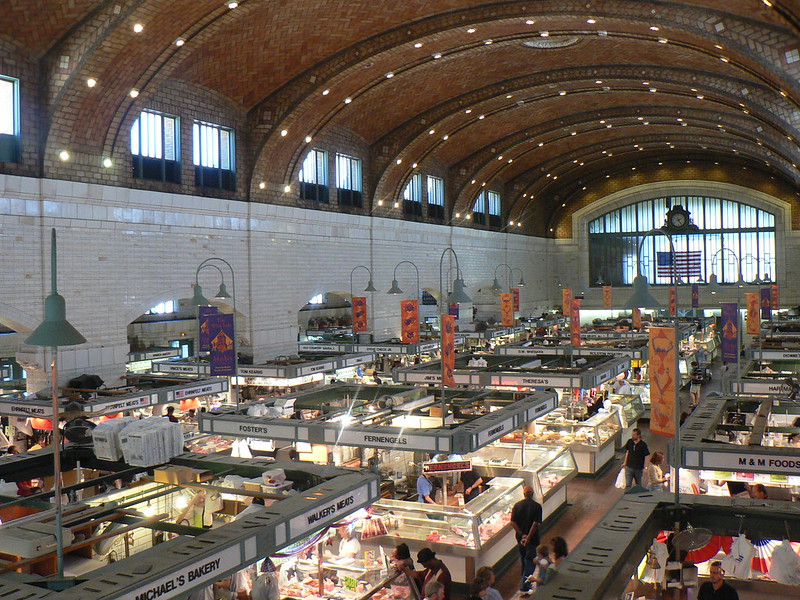
When I visit my parents in the Cleveland suburbs, my 81-year-old father and I go to the West Side Market. The market is a Cleveland landmark, and has served produce, meats, bakery items, and prepared foods in an old, beautiful brick building for over a hundred years.

My dad goes to the market every week to pick up his beef, a loaf of wheat bread, and a treat or two – shrimp dip, gyro sandwiches, or apple strudel. He wears his “Vietnam Vet” baseball hat and people come up to thank him for his service – a strong contrast to his experience coming home from the war in 1970.

I’d long wanted to honor my dad and his war experience by writing a poem about our market trips. Then a few years ago, I worked with a therapist who asked me a surprising question – “Did you know you carry your dad’s fear from the war in your nervous system?” That left me weeping in the truth of it, and in relief. And it left me wondering what I could do to help ease our pain…

Read the full story and Market Day poem here

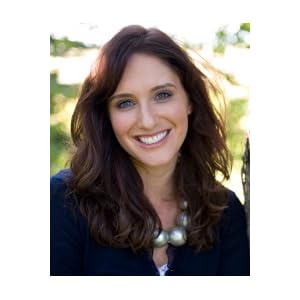
Karly Randolph Pitman is a writer, teacher, poet, presenter, and mental health facilitator who helps people nurture a more compassionate relationship with their struggles. She creates books, courses, presentations and trainings to bring insight to our human vulnerabilities, especially food suffering like overeating. In addition to her healing work, Karly is a published poet, writes a reader supported poetry newsletter, O Nobly Born, offers writing and mindfulness workshops to nurture self-awareness and self-compassion, and works with teens as a teacher and tutor. She lives in Austin, Texas with her family where she takes her sweet dog on leisurely bike rides and creates as much as possible with her hands. In all she remains in awe of the human heart.

Where is your Combat Zone?

By Charles Aishi Blocher

I am a non-combat veteran who served in the American Air Force during the last few years of the Cold War in an atmosphere that was witnessing the “defeat” of the Soviet Union and the spread of democracy in Eastern Europe. I served at Vanderburg Air Force Base in Lompoc, California (now Space Forces Base), which test-launched nuclear ballistic missile systems. These tests were a simulation of what a typical missile launch would look like if completed in the field. That is, if the U.S. were to launch our nuclear weapons from an operational missile base.

A maintenance and logistical group prepared the launch facility for operational readiness to be launched by the missile crew. I was part of this extensive maintenance and logistical group. So, where was the combat zone? Where was mine? I suggest that the “combat zone” is not always out of the country and not necessarily in armed conflict but is determined by the organization and circumstances. In my case, it was Vandenberg Air Force Base where I was in direct contact with the test launching of the Minute Man III nuclear weapons system. This system was designed to destroy large cities and enemy bases, basically rendering the enemy no means of deploying their forces. However, when a nuclear weapon is launched, there will be no one left to govern nations or deploy any troops. So, was I in a combat situation? What about other supposed non-combatants who are exposed to combat dangers or consequences? What about those members of the military who have direct contact with deploying military troops to a combat zone or those who must receive the deceased troops? Where is their “combat zone?”

Read full story here

A Short Guide to Successful Gardening in the Time of War

By Olga Kornyushyna, in loving memory of Andriy Romanov, killed in action April 26, 2024

Courtesy by Olga Kornyushyna©

Between the day we received Olga’s story and today, the gardening company in Odessa mentioned in the text was destroyed during the Russian air strike on May 1, 2024. Thousands of plants and trees were burned, warehouses and offices destroyed. Luckily there were no casualties among the employees. The owners of the company released a video of the aftermath of the attack. 

Read A Short Guide to Successful Gardening in the Time of War

On Becoming a Veteran

By Everett Cox

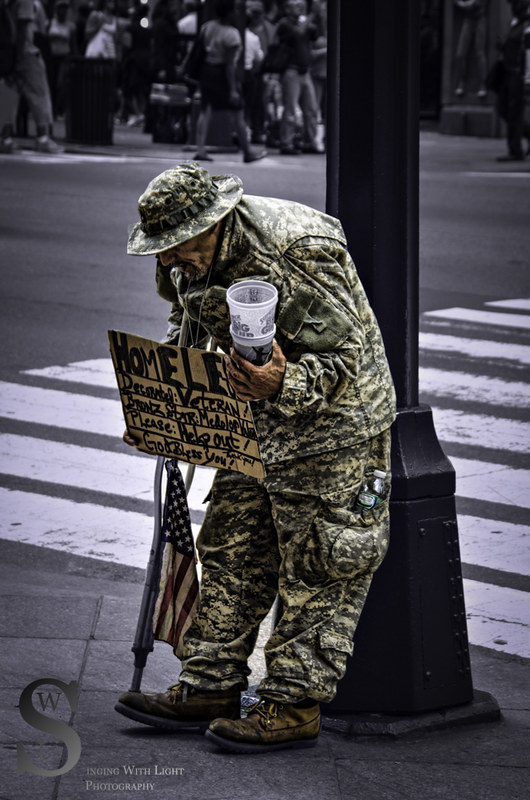
2010 is when I began to become a veteran. It was more than 40 years after I had returned to the United States from Viet Nam. Forty years of madness, nightmares, drug abuse, suicide attempts. 2010 is when I began to speak about it. And write about it. And cry. 40 years of tears coming out all at once. I am still becoming a vet. My first piece of writing as I started to embrace my identity as a veteran, that I share here, was an open letter to my brothers and sisters of the wars in Afghanistan and Iraq. Though the numbers given derive from the original writing in 2010, my message and warning are still relevant to any warriors from any country and war struggling to return home after experiencing the horrors of combat and many difficulties of return.

Read the full story here

Launch of new journal section: “Back to the light. Stories of healing from trauma”

War affects our world and lives, whether we are directly involved or not. Its effects are like those of a disease that spreads through the organism, weakening it and altering its relationship with the environment. War destroys communities, poisons associated life, and builds walls. And, which is worse, it plants rotten seeds from which bitter fruits will grow. One antidote to the spread of its malice is listening to the stories of those who have seen its very Gorgon’s face and suffered from its scorching touch.

The Close Encounters in War Journal inaugurates a new section called Back to the light. Stories of healing from trauma. It is entirely devoted to the stories of people who have experienced the war and learned how to cope with the burden of its traumatic memories. Sharing these stories means much to the authors both in terms of ethical commitment and psychological effort. They reveal something intimate that has been troubling them, a core of traumatic memories that haunt their lives. Nonetheless, they are eager to share their stories worldwide with a public of interested and empathic readers, who want to listen and know what war is about.

We are happy to launch this project with two contributions by Ukrainian refugee Olga Kornyushyna and American former infantryman Charles Collins. Olga tells about her traumatic encounter with war as a civilian who had to flee from Kyiv, bombed by the Russians in the present war. Charles tells how he went through four turns of deployment overseas and how he had to fight to heal the moral wounds that such experiences inflicted on him.

The editors of the CEIWJ would like to express their profound gratitude to the authors of these stories and invite all who have stories of healing from war trauma to share them with us and our readers. Veterans, families, friends, therapists, and healers are welcome to submit their contributions.

Our gratitude also goes to Ed Tick, who has generously accepted to embark on this endeavour as co-editor of the Back to the light project, and the members of the section-specific editorial board, Charles Aishi Blocher, Kate Dahlstedt, Nathan Graeser, Lawrence Markworth, Donald McCasland, Glen Miller, Roxy Runyan, and Floyd Striegel.

Back to the light. Stories of healing from trauma

Karly Randolph Pitman, Market Day (6 June 2025)

Charles Aishi Blocher, Where is Your Combat Zone? (10 July 2024)

Olga Kornyushyna, A Short Guide to Successful Gardening in the Time of War (7 May 2024)

Everett Cox, On Becoming a Veteran (2 February 2024)

Steven Gunn, A Disquieted Mind (11 April 2023)

Charles “Chuck” Collins, Coming Home Hard (19 November 2022)

Olga Kornyushyna, There Are No Atheists in the War Zone (12 November 2022)