The relationship between art and the First World War is often looked at by focusing on how the conflict encouraged the emergence of novel and original subjects and styles, both in literature and the arts. However, the aesthetic aspects only reveal one aspect of the relationship between armed conflicts and artistic activity. Maddalena Alvi, a young scholar at the University of Manchester, approached this topic from a different perspective. Instead of considering how the conflict affected the poetics and creativity of European artists, Alvi focuses on the art market, thus shifting the axis of the investigation to the field of cultural economy. This phrase means that culture, including art and its market, is part of the economic life of societies, and as such, it played a paramount role in the war economy between 1914 and 1918. Alvi’s book, therefore, focuses on the cultural and ideological implications of trading art in Europe between 1910 and 1925.
The aim of the project is to share research
that focuses on the diaries of European soldiers who fought the First World War
with a larger audience. Europeana Collections includes a good amount of
soldiers’ writings (especially in Italian, French and English) and paintings, as
well as a collection of letters from the trenches by Isaac Rosenberg. By now, Rosenberg’s
letters and eight diaries in Italian and French were processed.
The materials are arranged on the StoryMaps
platform, highlighting the different itineraries travelled by a single soldier.
Each journey track is enriched by the text itself and other media, such as
photographs, selected newspaper pages, and videos from the Collections. Having
the chance to follow the soldier’s itinerary is the best way to read a war
diary. This project aims to preserve historical memory and to reactivate old personal
stories, to renew them.
For the skilled user who wants to deepen
knowledge of the diaries and to read a technical analysis of the text, the
project offers digital editions based on EVT, with full
transcriptions, historical and linguistic comments.
The project represents a sort of pilot, open to further updates. The Map becomes the promotional container of other research on similar topics, from FICLIT and other departments in Italy and other countries. The goal is to create a great open map, available to the largest possible number of users, detailing one of the most important periods in European History. The dissemination of this kind of project is especially valuable today, as Europe and its Institutions are living in a critical time. A project about WWI is a project about our shared past and History.
When he stopped his studies of engineering in Manchester, Wittgenstein moved to Cambridge to study logic under the guidance of Bertrand Russell because he believed that by comprehending the fundamentals of language, and therefore the limits of language, he would understand its essence, as well as that of human beings, in primis, himself…
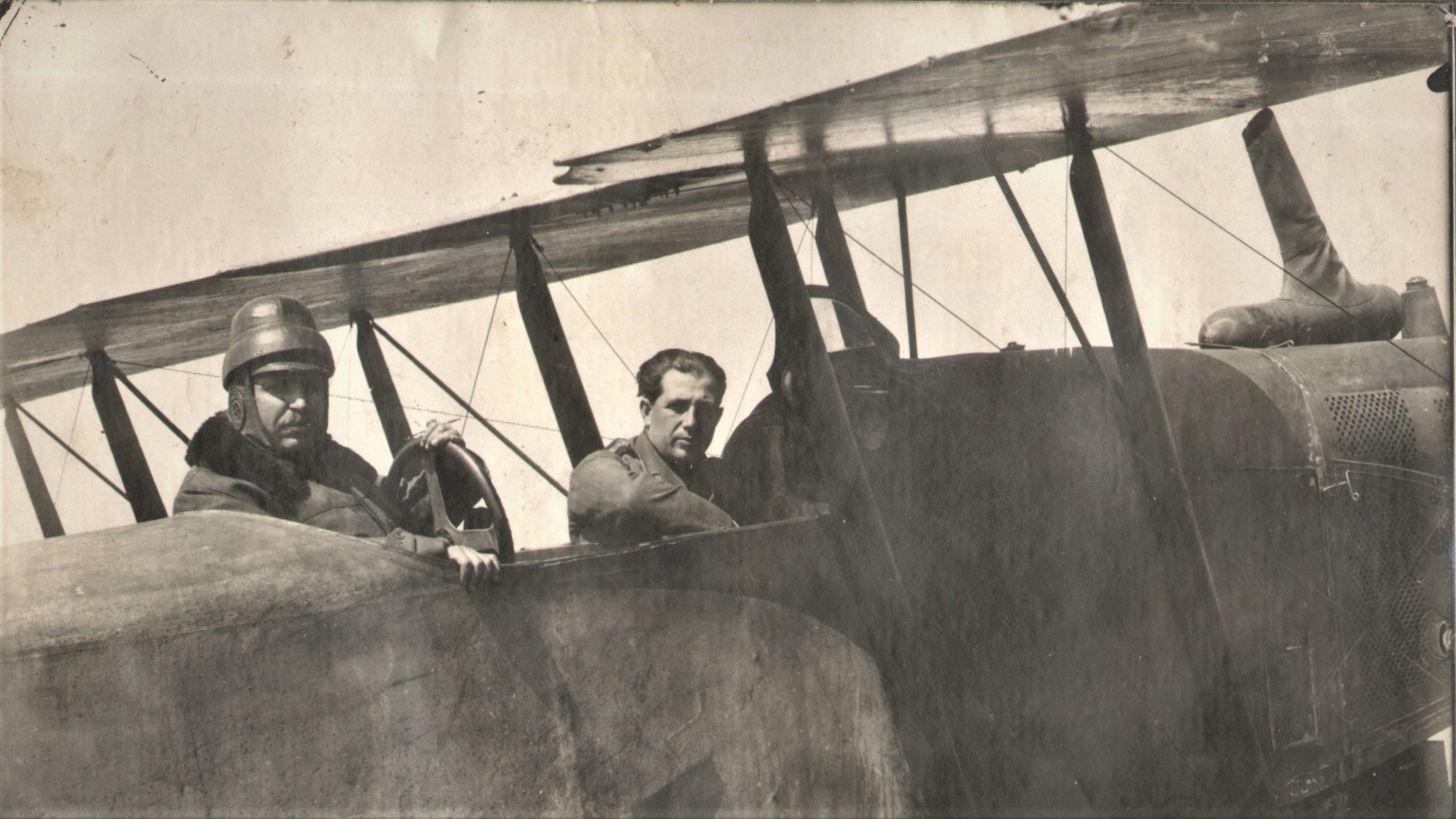
The twentieth-century opened under the sign of great trust in progress and technology. Machines, which had since ever been considered as a dangerous adversary and as a source of primordial fear, quickly began to lose their disquieting aspect and to become an ally of human beings as a ductile tool to overcome physical strain. Airplanes and cars created new opportunities for transport at unprecedented speed besides steam-locomotives, which had replaced horse-powered coaches as the main connection between cities…


 Close Encounters in War