Book Review: “From War Archives to War Poetry”. Taking Mesopotamia by Jenny Lewis, Oxford Poets/Carcanet, 2014

By Sarah Montin

Jenny Lewis’ captivating collection of war poems, published in 2014, on the centenary of the First World War, appears even more relevant today as Europe finds itself once more engaged in armed conflict.

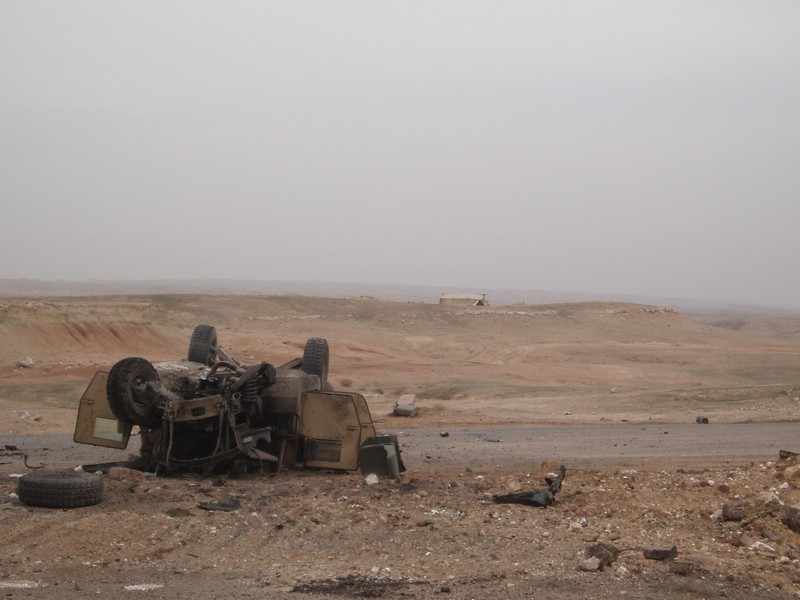
“My father died when I was few months old and I have been searching for him ever since announces the poet in her preface (Lewis 2014a, 11), presenting her collection as a voyage into her father’s military service in the First World War, initiated by her timely discovery of “a dusty old suitcase” full of “faded papers and memorabilia” in her basement at Oxford (Lewis 2014b). Fruit of extensive research at the National Archives and the Imperial War Museum – six years looking into her father’s service as a Second Lieutenant in the 4th Battalion of the South Wales Borderers – and supplemented by interviews of contemporary soldiers and war victims, Taking Mesopotamia offers a persuasive reflexion on the experience of war from the perspective of combatants and civilians alike. Fostering parallels between the British Mesopotamian Campaign of the Great War (1914-1918), the war in Iraq (2003-2011), and the 4000-year-old Sumerian Epic of Gilgamesh, Jenny Lewis offers a multi-layered reflection on the timeless themes of war and man’s hubris, alluded to in the book’s epigraph: “As for humans, their days are numbered/Whatever they do is like a puff of wind” (Gilgamesh, Tablet III)…
Read the full text here

On Becoming a Veteran

By Everett Cox

2010 is when I began to become a veteran. It was more than 40 years after I had returned to the United States from Viet Nam. Forty years of madness, nightmares, drug abuse, suicide attempts. 2010 is when I began to speak about it. And write about it. And cry. 40 years of tears coming out all at once. I am still becoming a vet. My first piece of writing as I started to embrace my identity as a veteran, that I share here, was an open letter to my brothers and sisters of the wars in Afghanistan and Iraq. Though the numbers given derive from the original writing in 2010, my message and warning are still relevant to any warriors from any country and war struggling to return home after experiencing the horrors of combat and many difficulties of return.

Read the full story here

Obituary: “I am not a pacifist. I am against the war”. Gino Strada (1948-2021)

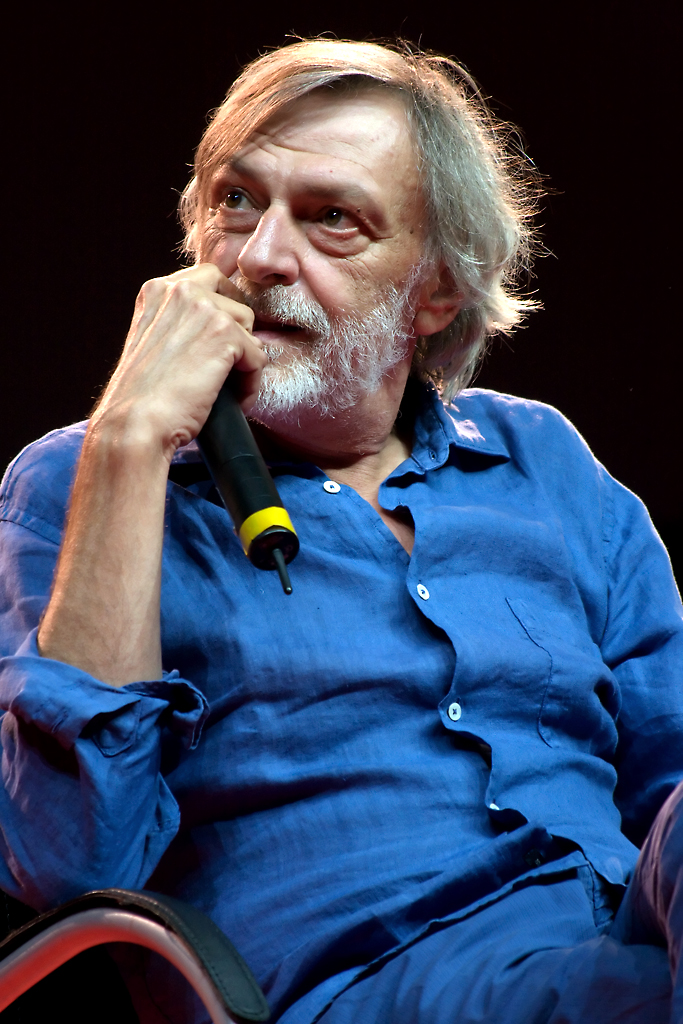
Gino Strada, 10 Settembre 2010, Mandela Forum, 9th National Congress of Emergency, Florence ©maso83

One of the most noticeable people in the field of solidarity has left us: Gino Strada, founder of the NGO Emergency in 1994, which guaranteed free medical and surgical care to the victims of wars and poverty, and a critical spirit against the corruption of Italian health, and the EU arms trade policy.

Gino Strada graduated in Medicine and Surgery at the State University of Milan in 1978, at the age of 30, and specialized in emergency surgery. From 1988 he worked with the Red Cross to assist the war wounded. Then in 1994, together with his wife Teresa Sarti, Strada founded the NGO Emergency, which in 2006 was recognized as a partner of the United Nations. From 2015 he became a member of the Economic and Social Council of the United Nations (ECOSOC) and, in 2018, an official partner of the European Union Civil Protection and Humanitarian Aid.

In 1999 he published the book Green Parrots (Pappagalli verdi). He recounts there the stories of injured and mutilated adults and children, whom he tended as a civilian war surgeon during the wars in Iraq, Pakistan, Rwanda, Afghanistan, Peru, Kurdistan, Ethiopia, Angola, Cambodia, ex-Yugoslavia, and Djibouti.

Gino Strada was a determined and moral person, a teacher of humanity and a tireless peace activist. He devoted his life to realizing the dream of a world without wars, following in Einstein’s steps, who claimed that “war cannot be humanized, it can only be abolished”.

Gino Strada said:

If one of us, any human being, is suffering like a dog right now, is sick or hungry, it affects us all. It must concern us all, because ignoring human suffering is always an act of violence, and one of the most cowardly.

I believe that war is something that represents the greatest shame of humanity. And I think that the human brain must develop to the point of rejecting this tool as inhuman.